|
Frederick Augustus Hervey was born 1st August, 1730 as the third son of an old
Suffolk family who were at the time very often occupied at Court. His grandparents took him
in hand and virtually reared him until he went to Westminster school at the age of eleven.
Six years later he joined Corpus Christi College in Cambridge. In 1748 he entered Lincoln's
Inn to study law. Three years later he left Cambridge without having taken his expected
degree. The next year 1752 saw his marriage to Elizabeth Davers from a rival neighbouring
estate.
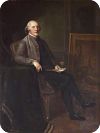 After two years of marriage to his wife Elizabeth he decided to switch from
the Law to the Church. He was certainly a very clever and cultured individual. By 1763 he had
been appointed as chaplain to King George III and immediately spent some time in Italy
furthering his children's education. With help from his younger brother George (2nd Earl of
Bristol and Lord Lieutenant of Ireland) Frederick Hervey became Bishop of Cloyne, Co. Cork in
1767. After two years of marriage to his wife Elizabeth he decided to switch from
the Law to the Church. He was certainly a very clever and cultured individual. By 1763 he had
been appointed as chaplain to King George III and immediately spent some time in Italy
furthering his children's education. With help from his younger brother George (2nd Earl of
Bristol and Lord Lieutenant of Ireland) Frederick Hervey became Bishop of Cloyne, Co. Cork in
1767.
Less than one year passed during which he set in train a vast drainage project
when he was transferred to the See of Derry, at 38 years of age, with not a little help from
the King. He was again immediately very active and spent a vast fortune on road-building and
agricultural advancement. By all accounts he was a hard working bishop. As well as
constructing property in Londonderry, he had built the magnificent residences at Downhill in
1775 and at Ballyscullion in 1787- 1803.
He became the Fourth Earl of Bristol in 1779 on the successive deaths of his two
elder brothers and amassed considerable property. At the same time he managed to spend much
time on the continent collecting works of art for these residences and his family seat at
Ickworth in
Suffolk. He usually travelled at high speed in his own Great Coach with vast entourages and
regularly took over large hotels in Germany and Italy in particular. Many of them reputedly
re-named in his honour and to this day still retain the 'Hotels Bristol'
titles.
He appears to have had a sudden row with Elizabeth his wife whilst out driving
in the Ickworth region in 1782. No further mention of her appears in any of
his papers - although it is known that she died on 19th December 1800 in Ickworth where she is
buried.
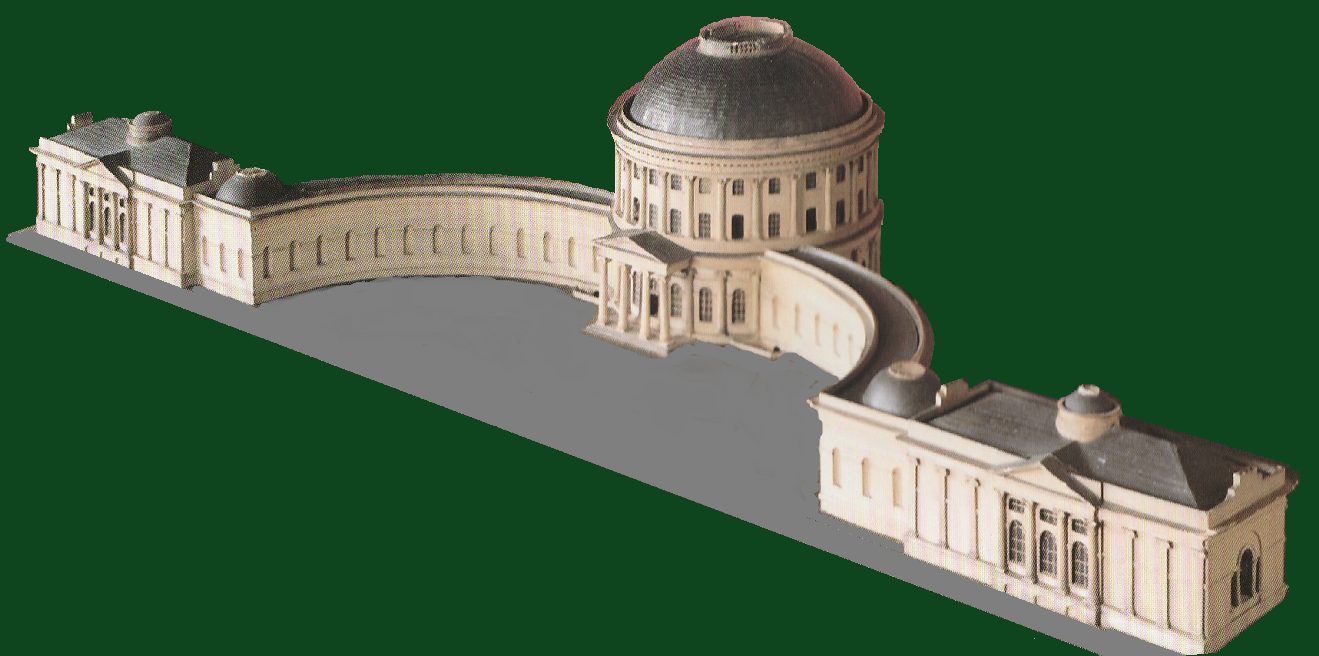
The Ballyscullion house was built in the shape of a
crescent and, reputedly, had a
window 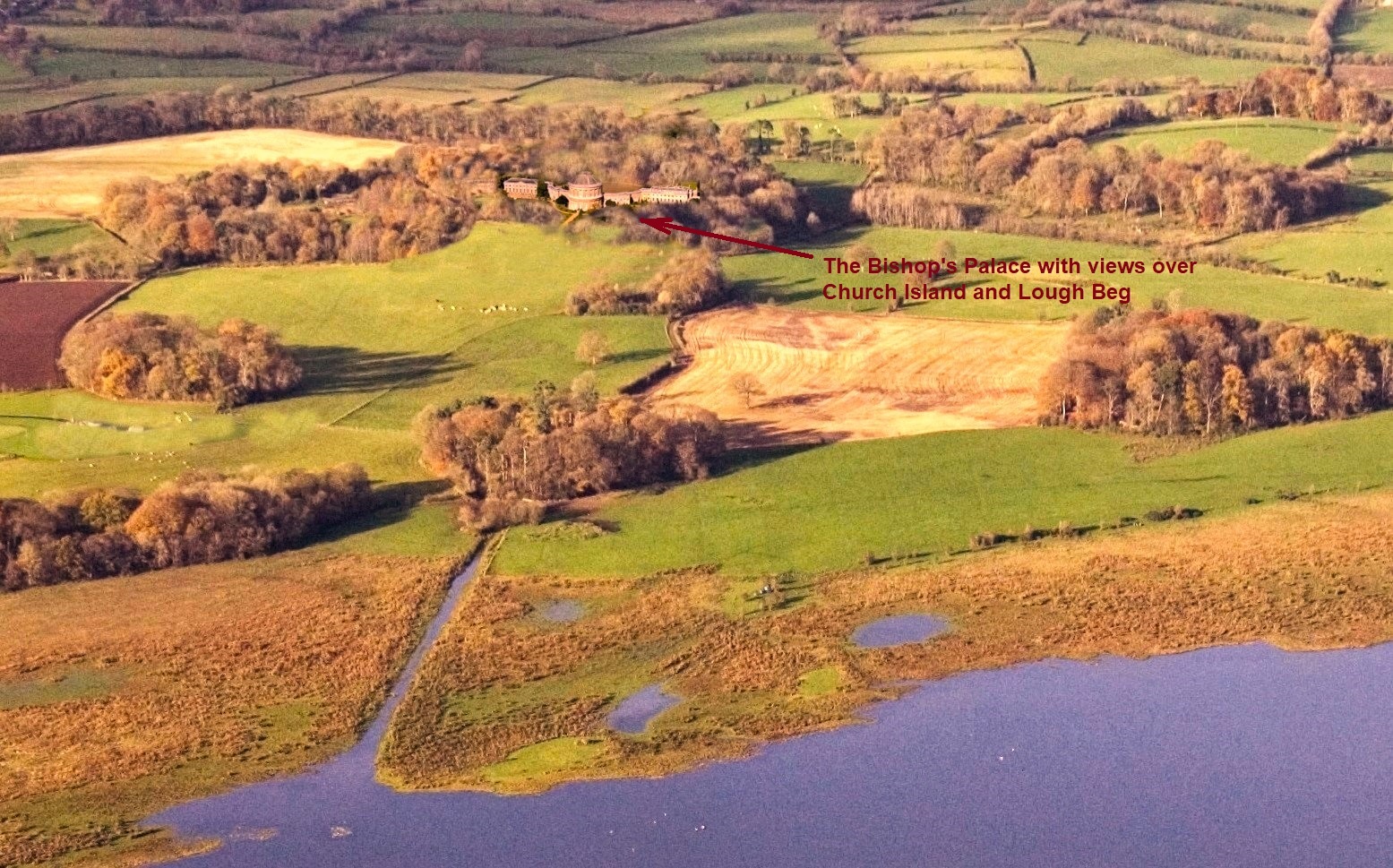
for every day of the year. None of these windows afforded
a good view of the ruins of the old church on Church Island so he had a spire added on to the
end of the church to give it height. The spire is there to this day, having survived a
wing-tip collision from an American plane flying out of Creagh airfield at Toome during World
War II. His continual continental absences meant in fact that he never lived in his new house
any more than a few nights at best.
When he died in Albano in Italy he bequeathed it to his distant cousin Sir
Henry Hervey-Bruce. However he in turn already had a sufficiently large house at Downhill and
did not need the expense of another grand house to maintain. It was subsequently demolished
only a few years after the bishop's death. Some pieces of its ruins remain in the woods at
Ballyscullion but the Portico was rescued by the Bishop of Down. It now forms part of
the facade of St Georges Church in Belfast's High Street having been taken there first by
horse and cart and then transferred to become, reputedly, the first barge cargo brought to
Belfast from Lough Neagh by the then new Lagan Canal Navigation. Some items were bought and
built into Bishop Alexander's house on the grounds of what is the present Cistercian
monastery at Portglenone.
As bishop he is known to have been very much in favour of complete religious
equality and opposed the national system of tithes. In 1782 he became deeply involved in the
Irish Volunteer movement. He was noticeable by his prominence at their convention held in
Dublin in 1783. He had been courting disaster and with the Irish authorities
breathing down his neck he caught himself on and in the nick of time he steered clear of
local politics.
In 1798 he was in Italy again when it was over-run by French forces. He was
given a custodial sentence by the French and spent eighteen months in jail in Milan where he,
at some risk to himself, prised classified critical French naval information from his guards
and had it sent to England for the judicious use of the British Admiralty!
On July 8 1803 he died in Italy of a severe attack of gout and was later
interred in Ickworth church in Suffolk.
The present Earl or Marquess of Bristol resides in Monaco.
This item was contributed by John Junkin
More on the Earl Bishop>>
 http://www.earlbishopstrail.com/about-the-earl-bishop/ http://www.earlbishopstrail.com/about-the-earl-bishop/

See also the Belfast Newsletter article by Gordon Lucy
|
